ISD-Consulting

Rwanda’s Circular Economy: From Environmental Ambition to Investment Opportunity

Rwanda’s circular economy agenda is no longer just an environmental concept. It is gradually becoming part of the country’s broader economic transformation, linked to industrial development, resource efficiency, climate resilience, and private sector growth. In recent years, Rwanda has built a stronger policy and institutional foundation for this transition, moving beyond isolated environmental measures towards […]

Rwanda’s Circular Economy: From Environmental Ambition to Investment Opportunity Read More »

Rwanda’s ‘B+’ Rating: What Stability Means for Investment and Growth

The decision by Fitch Ratings in March 2026 to affirm Rwanda’s sovereign rating at ‘B+’ while revising the outlook from negative to stable should be interpreted as a meaningful shift in the country’s risk profile rather than a routine reaffirmation. In an environment where many emerging and frontier economies face tightening external financing conditions, elevated

Rwanda’s ‘B+’ Rating: What Stability Means for Investment and Growth Read More »

Ukraine’s Reconstruction: Financing Challenges and the Role of the Private Sector

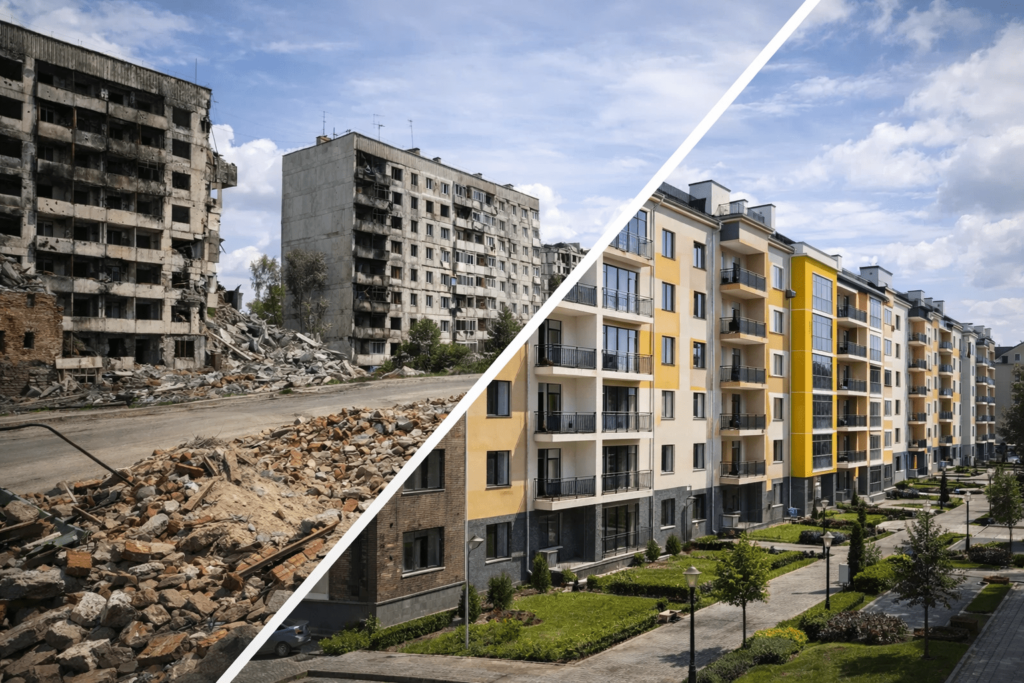
The destruction caused by Russia’s full-scale invasion of Ukraine has created one of the most complex reconstruction challenges of the 21st century. Beyond the humanitarian and geopolitical consequences of the war, policymakers and international partners increasingly face a fundamental economic question: who will actually finance and implement Ukraine’s reconstruction? Estimates of damage and recovery needs

Ukraine’s Reconstruction: Financing Challenges and the Role of the Private Sector Read More »

Rwanda’s Tax Policy Reforms: Implications for the Economic and Investment Environment

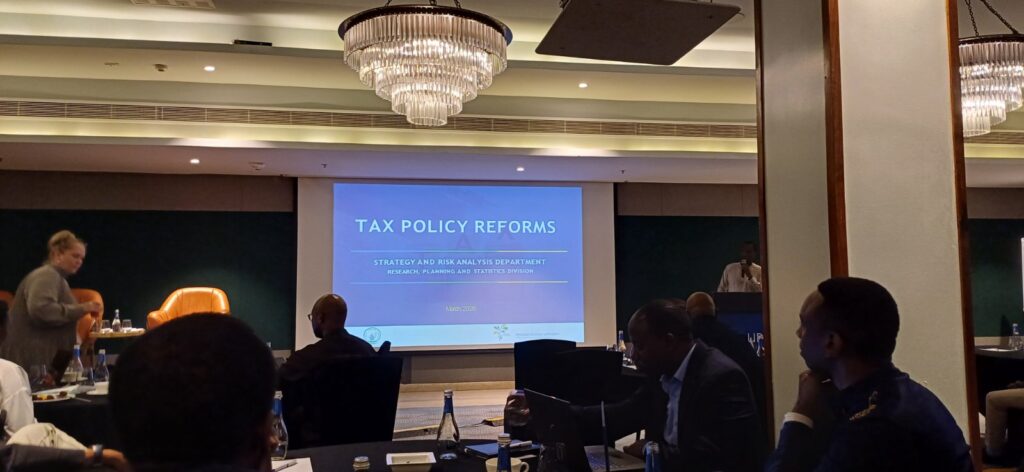
Recently, the Rwanda Revenue Authority (RRA) presented a set of tax policy reforms during a meeting organized by the European Business Chamber of Rwanda (EBCR). The reforms are part of Rwanda’s broader fiscal strategy aimed at strengthening domestic revenue mobilization while supporting the country’s long-term economic transformation. Increasing domestic revenue remains an important policy priority

Rwanda’s Tax Policy Reforms: Implications for the Economic and Investment Environment Read More »

Rwanda’s Road to Progress: A Model for Transport Infrastructure in Central and Eastern Africa

Rwanda, a landlocked and mountainous nation in Central Africa, has emerged as a regional leader in road infrastructure development, overcoming significant geographical challenges. With its steep terrains, winding routes, and vulnerability to landslides and seismic activity, road construction in Rwanda is no easy feat. Yet, despite these obstacles, the country has made impressive strides in

Rwanda’s Road to Progress: A Model for Transport Infrastructure in Central and Eastern Africa Read More »

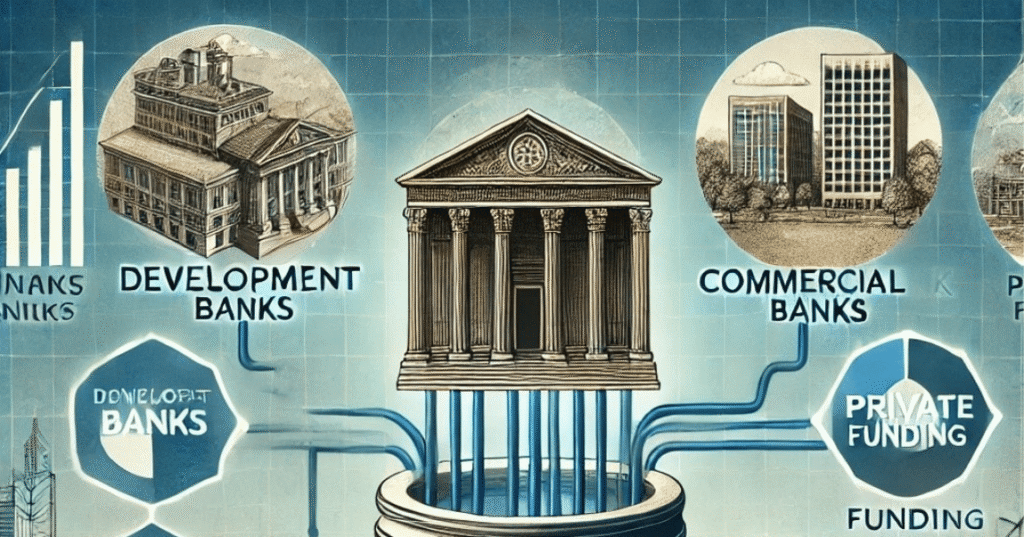
Securing Funding for Capital Investment Projects

Capital investment projects are essential for business growth and expansion, whether it involves upgrading equipment, expanding facilities, or launching new products. However, securing the necessary funding for such large-scale projects can be a complex and challenging process. Businesses must evaluate different funding sources based on their project type, financial stability, and long-term goals. In this

Securing Funding for Capital Investment Projects Read More »

Global Trends in Climate Change Mitigation through Sustainable Infrastructure Projects

Climate change is one of the most pressing challenges of the 21st century, threatening ecosystems, economies, and human health worldwide. As the planet grapples with rising temperatures, extreme weather events, and biodiversity loss, sustainable infrastructure projects have emerged as a critical strategy for mitigating these effects. These initiatives aim not only to reduce greenhouse gas

Global Trends in Climate Change Mitigation through Sustainable Infrastructure Projects Read More »

Moldova’s Infrastructure: Challenges and Pathways to Modernization

Moldova, a lower-middle-income country in Eastern Europe, has made significant economic progress over the past two decades. However, its infrastructure remains a critical challenge, with glaring disparities between urban and rural areas and an urgent need for modernization across key sectors. Financial constraints, political instability, and a heavy reliance on external funding have hindered the

Moldova’s Infrastructure: Challenges and Pathways to Modernization Read More »

The Resilience of Ukraine’s Infrastructure and Its Importance

The resilience of infrastructure is a crucial topic in the context of national security, economic stability, and human well-being. For Ukraine, the need for resilient infrastructure is particularly urgent given the country’s ongoing conflict, challenging geopolitical situation, and susceptibility to natural disasters. Infrastructure resilience refers to the ability of critical systems—such as transportation networks, energy

The Resilience of Ukraine’s Infrastructure and Its Importance Read More »

Rebuilding infrastructure of Ukraine: challenges, needs, and opportunities

Ukraine has incurred hundreds of billions of US dollars in damage and losses caused by the war.  The cost of reconstruction is enormous. The Third Rapid Damage and Needs Assessment sheds the light on the scale of work needed to reconstruct the country. This article focuses on infrastructure as a vital network for the country’s

Rebuilding infrastructure of Ukraine: challenges, needs, and opportunities Read More »